
Small Issues, Big Fights
KEY TO BOXES BELOW: 🔓 Unlocked, Open Now 🔒Locked as Member Resources

Small Issues, Big Fights
Article
Dr. John Slate, Ph.D. explores why seemingly small issues often trigger big emotional reactions. He also covers how to keep small issues from becoming big fights, emotional reactions which never bring connection or distract from the real problem
You'll discover that most conflicts aren't really about the dishes, the text message, or being late—they're about deeper emotional needs, past hurts, and the meaning we attach to everyday situations.

Small Issues, Big Fights
Worksheet
Whether your relationship has been affected by recurring arguments, addiction recovery, betrayal, pornography, or years of unresolved conflict. The purpose of this worksheet is to provide practical tools to help you uncover and understand what's happening beneath the surface and begin creating lasting change. The reflection and processing part of the worksheet will provide a guide to change and change your relationship dynamics to de-escalate arguments and decrease accumulation.

Small Issues, Big Fights
Podcast
In this podcast you'll discover:
• Why small problems often represent much bigger emotional concerns.
• How past experiences influence present reactions.
• Why couples can become stuck in the same conflict patterns.
• Practical ways to slow down emotional reactions before they escalate.
• How emotional safety and a healthy identity create better conversations and stronger relationships.
Go Deeper
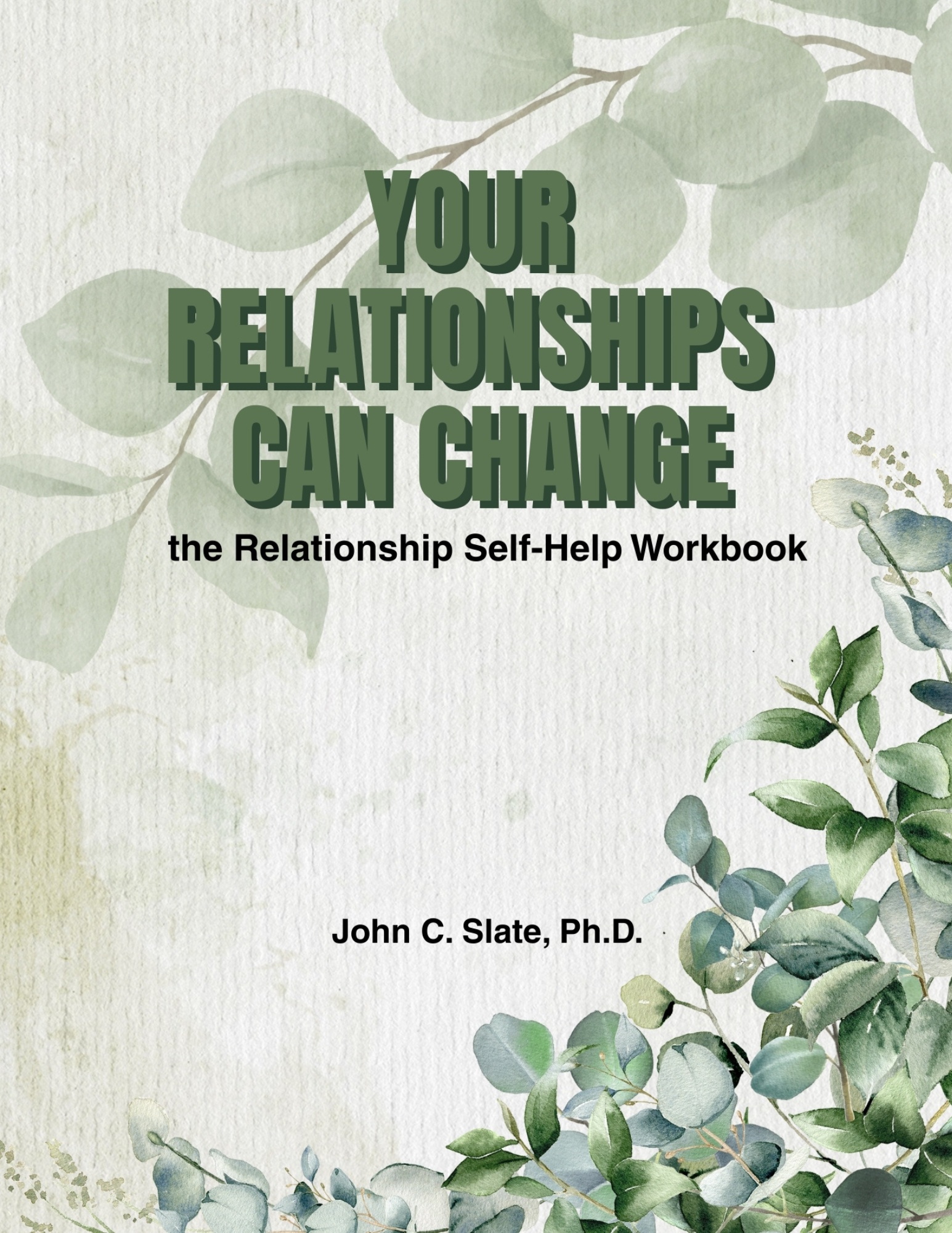
To go deeper and learn about the underlying pattern, needs and recovery, look at this chapter from Dr. Slate's book: Your Relationships Can Change, the Relationship Self-Help Workbook.
Want to Go Further?
You've begun by identifying your relationship pattern and exploring the first resources available to you. UNpsych Membership allows you to continue with additional relationship tools, worksheets, courses, recorded programs, and the complete UNpsych Member Library. The resources below are a few samples of topics related to the reasons for "Small Issues, Big Fights."
Members have access to additional relationship tools, worksheets, courses, recorded programs, and the complete UNpsych Member Library. Membership also gives you access to past relationship podcasts and opportunities to participate in upcoming programs. You can submit questions for Dr. John Slate, Ph.D. to consider during future podcasts or participate in recorded sessions where individual situations can be discussed from an educational perspective. With Wednesday evening and Saturday relationship programs, membership gives you ongoing opportunities to continue learning, asking questions, and working with the patterns affecting your life and relationships.
Unlock the Complete UNpsych Member Library $19.99 per month or $199 per year
Explore More Inside The Membership Library
Articles, Worksheets, & Practical Tools
Related Podcasts For Deeper Learning

Where Did My Worth Go Podcast
Relationships are made up of the network within ourselves and the network between others in our life. The podcasts talks about the influences the relationship within has on withdrawal, defensiveness, needs, reassurance, triggers, and survival skills. The network between us and our family affects on abandonment, anxiety, identity wounds, and needs are inter-related and often very automatic in our relationship. Come explore to change communication.

Managing My Reactions Podcast
In this podcast we discuss:
1. Why Protection Feels So Automatic
Discover how past hurts, fear, shame, betrayal, and disappointment can cause us to react in ways that keep us emotionally safe—but relationally distant.
2. The Great Irony of Relationships
The more we protect ourselves from being hurt, the more we prevent closeness.
3.Changing the Conversation
Learn how curiosity can replace criticism, how understanding can replace defensiveness, and vulnerability, trust.
4. What healthy connection and healthy communication looks like. Moving from protection to connection can be a difficult process and is often the reason under separation / divorce situations.
Running Instead of Reconnecting Podcast
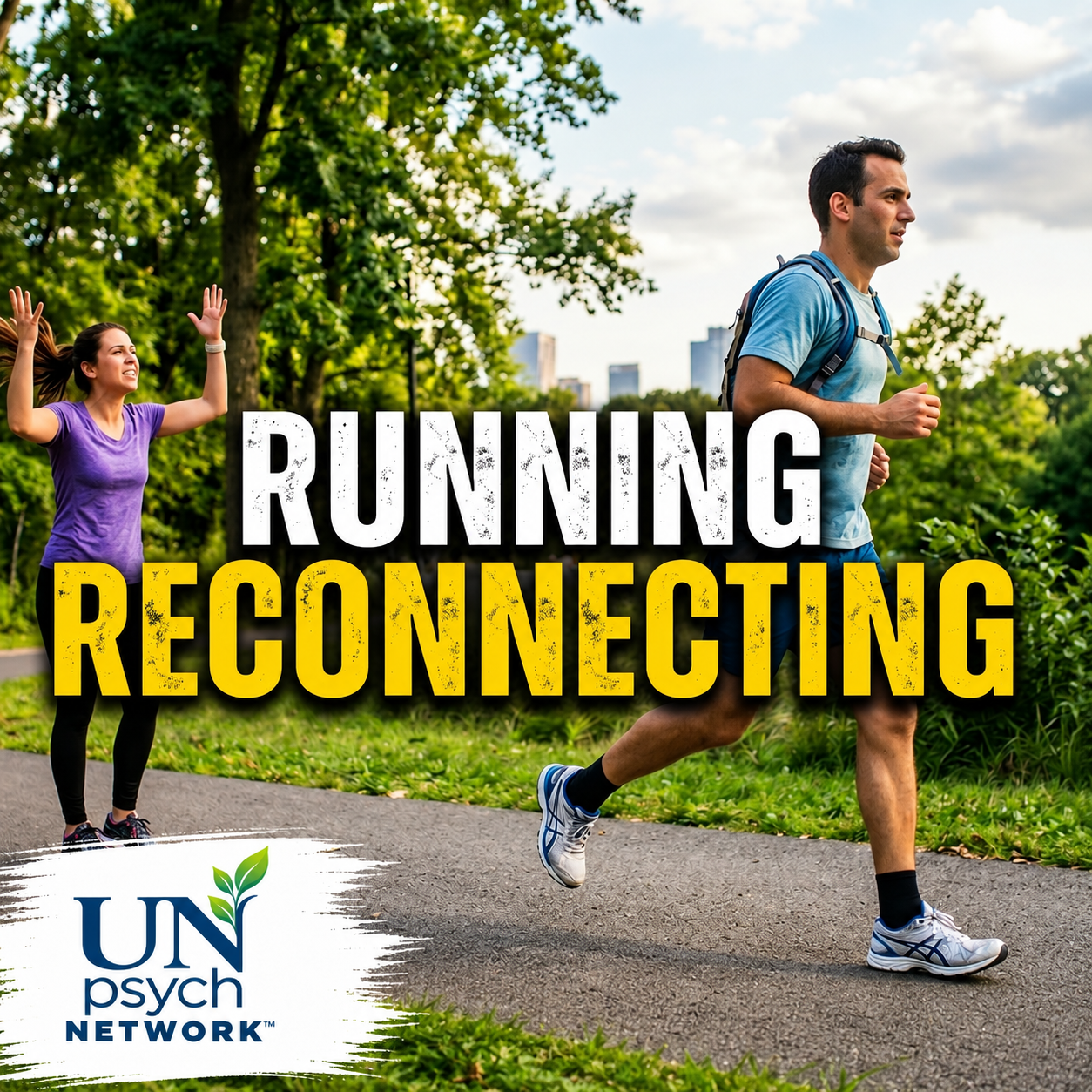
In a relationship it is often a pathway to run away during times of disappointment, misunderstanding, arguments and emotional injuries. While running solves today's problems it creates tomorrow's loneliness and it does not meet the needs of our relationship. There are many forms of "running" in our relationships for the purpose of protection and survival strategies that are ineffective in bringing about connecting. The meanings we attach to events can differ between partners and that story is not questioned. Perhaps that is the first step in reconnecting - to compare our meanings to the actual facts of what was said or done. Regulating ourselves first is a very important step to reconnect. Come learn.
© 2026 UNpsych Network, LLC. All rights reserved.